MF / 06.01
Seasons of Church Life
Christmas Eve Logistics: Candlelight, Crowds, and Calm
A committee playbook for the building's biggest night: honest overflow seating, candle safety done right, dark-lot arrivals, and the morning-after reset.
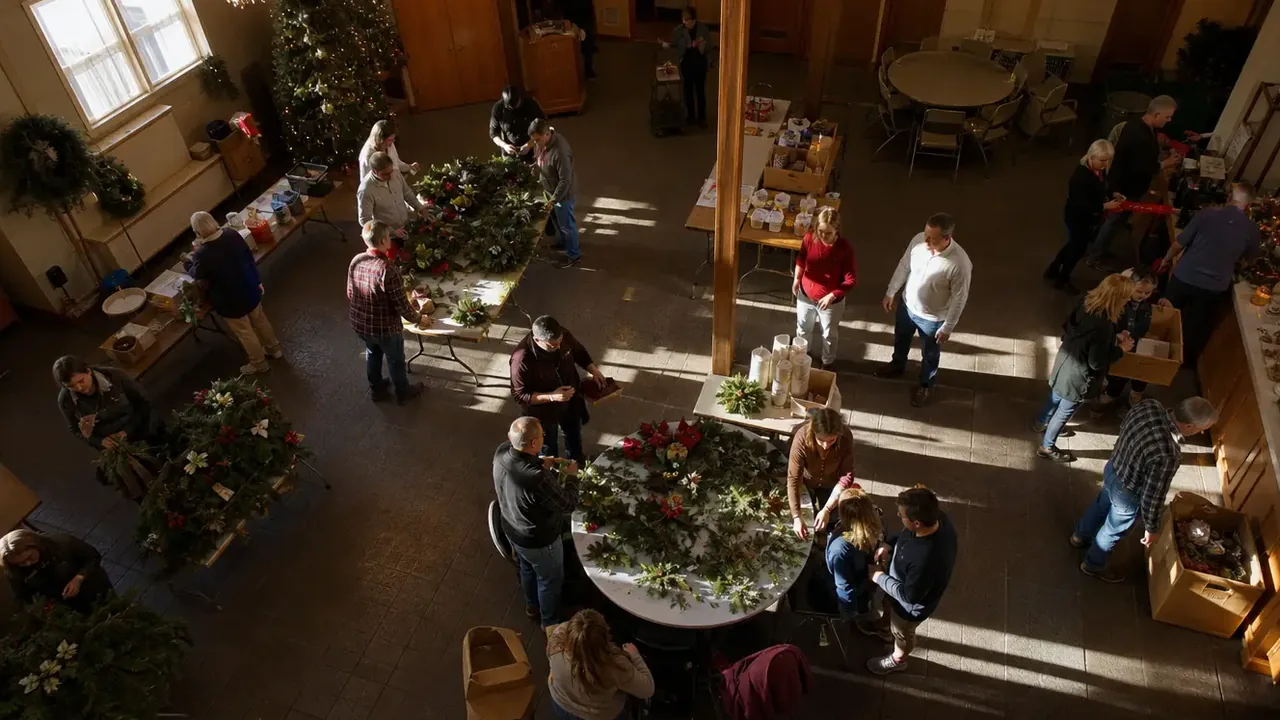
There is one night a year when almost every church building in North America is asked to do more than it was designed for, all at once, in the dark, in December. The parking lot fills twice over. The narthex holds three generations of one family plus a stroller. The ushers run out of bulletins somewhere around the second carol. And through all of it, several hundred people (many of whom have not been inside the building since last Christmas Eve, or ever) are holding small open flames.
Somehow, congregations pull this off every year, mostly on goodwill and muscle memory. But muscle memory belongs to particular people, and particular people move away, age out of ushering, or finally take that trip to see the grandchildren. The congregations that handle Christmas Eve calmly are the ones that wrote the routine down while the people who knew it were still around to ask.
This article is that routine: the facilities side of the loveliest, most crowded, most flammable night of the church year. None of it is complicated. All of it goes better decided in October than improvised at 6:40 p.m. on the twenty-fourth.
Start With an Honest Number
Everything else on Christmas Eve flows from one question: how many people can this room actually welcome? Not the number on the old certificate, and not the number in the longtime usher's memory: the honest one. If your board has never done the tape-measure work, measuring what your sanctuary really holds is the place to begin, ideally months before Advent.
The number that matters most is the legal one: the rated occupancy set by your fire marshal or local authority having jurisdiction. Christmas Eve is precisely the night that limit exists for. It is tempting, in the glow of a full church, to keep waving people in, and it is exactly the wrong night for it, because the room is crowded, the aisles are cluttered with coats and strollers, and everyone is holding a candle. If there is any chance your biggest service approaches the rated figure, talk with your local authority before the season about how they want you to handle it. That conversation is friendly in November and very much not friendly during an incident review in January.
Plan your overflow before you need it. A fellowship hall with rows of seating, a video or audio feed if you have one, carolers' sheets, and (critically) greeters assigned to it turns overflow from a consolation prize into a second congregation. What sours people is not sitting in the hall; it is being waved vaguely toward it by a harried usher who then disappears. If your hall does double duty this way, the planning habits in our guide to multi-use fellowship halls will already feel familiar.
Candles, Honestly
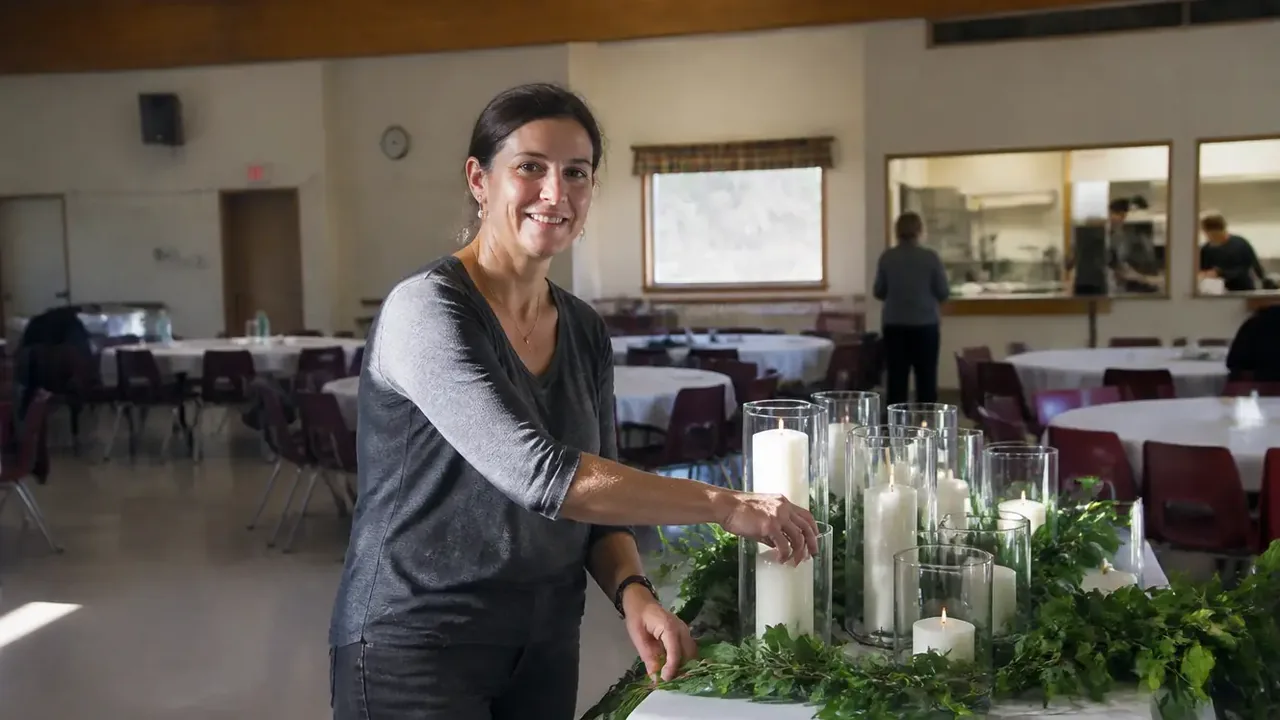
The candlelight moment is why many people come, and we are not going to tell you to cancel it. We are going to tell you to treat it as what it is: hundreds of open flames in a crowded room, held partly by children and by people who handle a lit candle one night a year.
The rules that govern open flames in an assembly space are set by your fire marshal or local authority having jurisdiction, and they vary: some jurisdictions require permits, some restrict open flames outright, some defer to your insurer, and your insurer will certainly have opinions of its own. Make both phone calls in the fall. The National Fire Protection Association maintains public seasonal fire-safety resources at nfpa.org if your committee wants background before those conversations, but the binding answers are local.
Within whatever your authority allows, a few practices show up in nearly every congregation that does this well:
- Drip protectors on every candle, no exceptions, including the choir's.
- Light passed candle-to-candle with the unlit candle tipped toward the lit one, never the reverse, and worshippers reminded of this from the front, every year, kindly.
- A stated household decision about small children: many congregations offer battery-operated candles for the youngest worshippers and frame it as a gift, not a restriction.
- Ushers positioned with a clear view of the room during the candlelight portion, doing nothing else.
- A designated extinguishing moment, announced from the front, with collection buckets or trays at the doors: not candles wandering out into the night, into coat sleeves and car seats.
- Clear aisles. The candlelight service is the wrong night for extra chairs in the aisle, decorative arrangements at the exits, or anything that narrows the way out. Your exits and aisles are governed by your local authority's rules; Christmas Eve is the night to honor them most carefully.
Arrival in the Dark
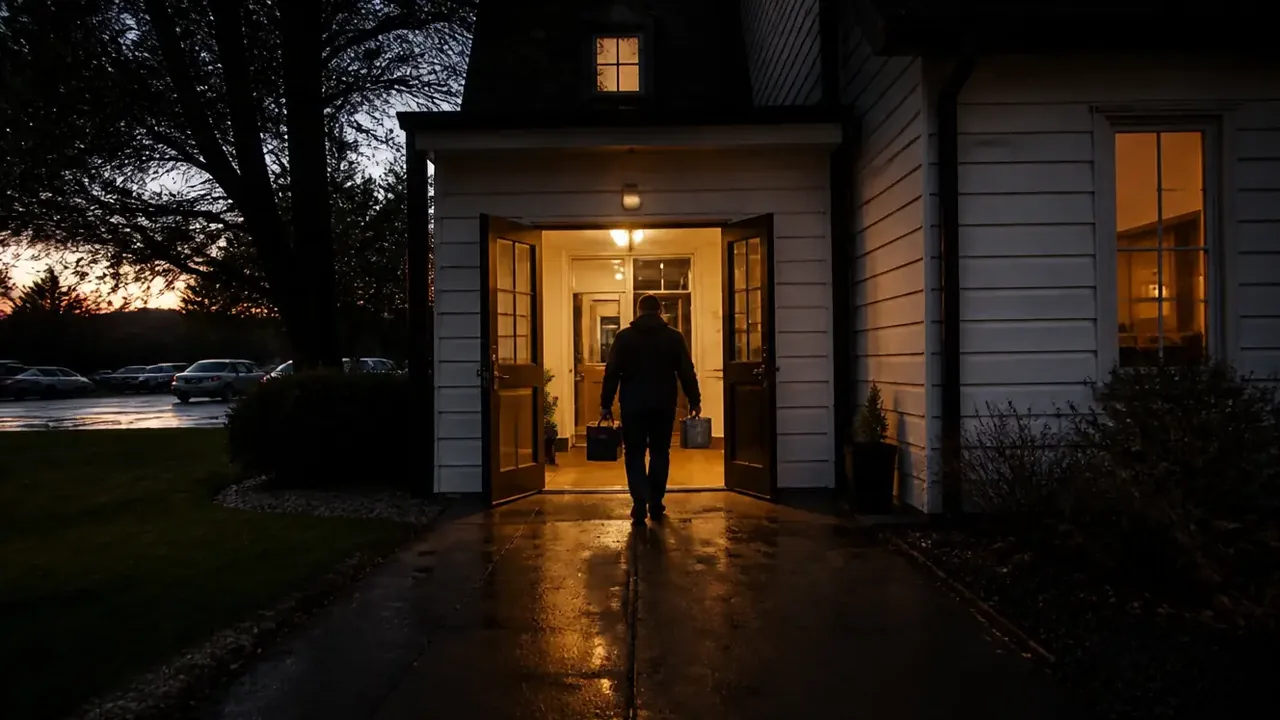
Christmas Eve is often the only service of the year that happens entirely after dark, and buildings that welcome people beautifully at 10 a.m. can be genuinely hostile at 10 p.m. Walk the arrival path at night, in December, before the season: from the farthest parking spot to a seat in a pew. You will find things: the burned-out fixture over the side steps, the walkway that ices where the downspout discharges, the sign nobody can read without daylight.
Give the accessible route particular attention. The path from accessible parking to the door must be lit, cleared, and salted first, not last, because the people who need it most are often the ones for whom this service matters most. If snow is a live possibility in your region, your snow contractor should know that December twenty-fourth is not a night for the normal schedule, which is one more item for the winter weather plan your board ideally adopted in the fall.
Scale up the humans, too. Whatever your usual complement of greeters and ushers, Christmas Eve needs more: at the doors, in the lot if you can manage it, and stationed near the restrooms and nursery, because half the building's occupants that night have never been inside it. A greeter who says "the restrooms are down that hall on the left" two hundred times is doing frontline hospitality.
Heat, Coats, and the Full Room
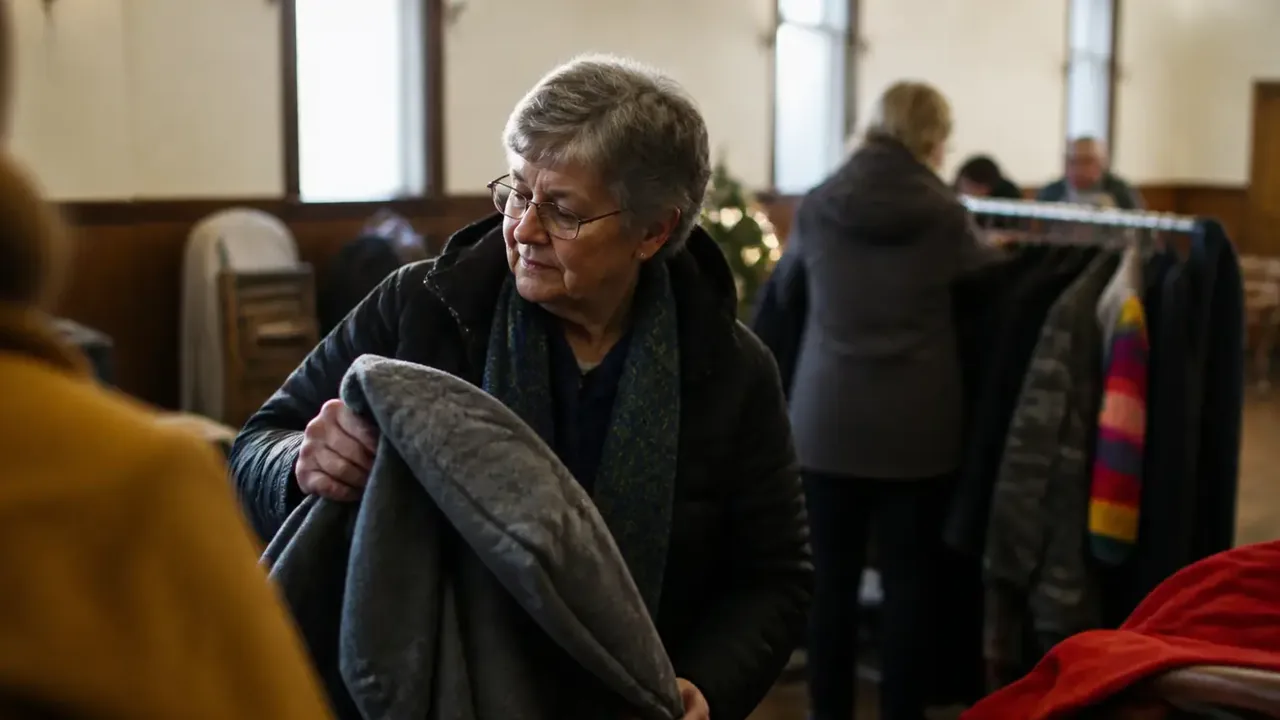
A room full of people is a room full of small furnaces, and older heating systems are often slow to respond in either direction. Sextons and property chairs learn their building's particular arithmetic: pre-heat early, then step the thermostat down before the crowd arrives, because the congregation will finish the job. If your system has quirks, and in older churches it usually does, write the Christmas Eve settings down where the next volunteer can find them.
Coats deserve one honest sentence in the plan. A full room in winter means several hundred coats, and coats draped over pew backs narrow the aisles. More coat racks, clearly signed, in the narthex. It is a small thing that buys back real space.
The Morning After
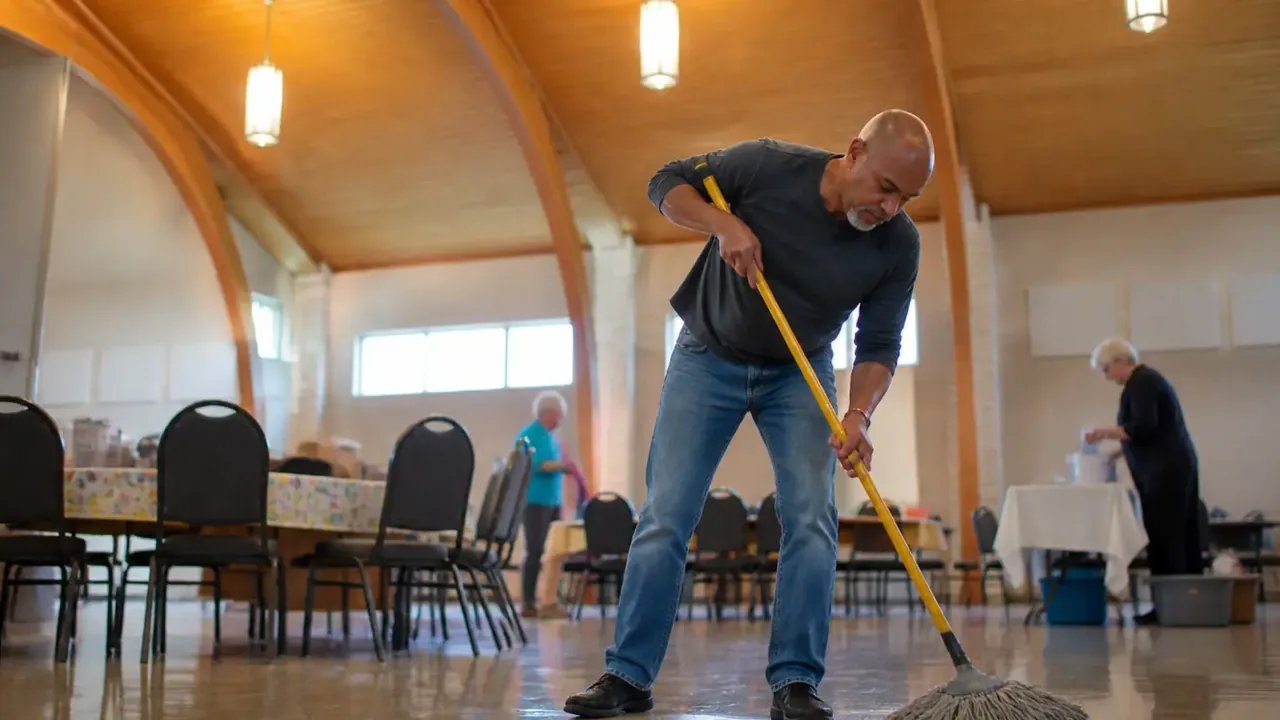
If your congregation worships on Christmas morning, or simply on the following Sunday, the reset is part of the plan, not an afterthought. Wax on the floors, candle trays to empty and inventory, overflow chairs to strike, bulletins and candy-cane wrappers in the pews, the fellowship hall to restore. Name the team and the time. Many churches quietly do this work at 11 p.m. with whoever remains, and those people deserve to be recruited on purpose and thanked by name rather than conscripted by proximity.
Then, in January, hold the ten-minute debrief while memory is fresh: what ran short, what confused visitors, which door jammed, where the ice was. Write it on one page and put it in the building binder. Next year's committee, which may be next year's you, one year more tired, will open that page in October and silently bless whoever wrote it.
Christmas Eve rewards exactly the kind of quiet, unglamorous preparation this whole library keeps recommending. The candles get the poetry. The clipboard makes the calm.