MF / 03.02
Money & Stewardship
A Year-Round Stewardship Guide for Church Leaders
Generosity is formed across the whole calendar, not scrambled together each fall. A year-round stewardship rhythm for boards, treasurers, and pastors.

There is a particular silence that falls over a board meeting when the treasurer reaches the giving report. Everyone knows the number matters. Nobody wants to be the one who talks about it. And so, in congregation after congregation, money gets discussed exactly once a year, in a hurried fall push assembled out of anxiety, and leaders quietly wonder why giving stays flat and the budget stays tight.
We want to suggest a gentler and sturdier way. Stewardship is not an annual scramble to cover a shortfall. It is the year-round work of forming a generous congregation, and like most formation it happens through steady habits rather than dramatic appeals. This article is written for the people who carry that work: boards, sessions, vestries, councils, stewardship teams, and the treasurer who dreads page four of the packet.
Stewardship Is Bigger Than the Offering
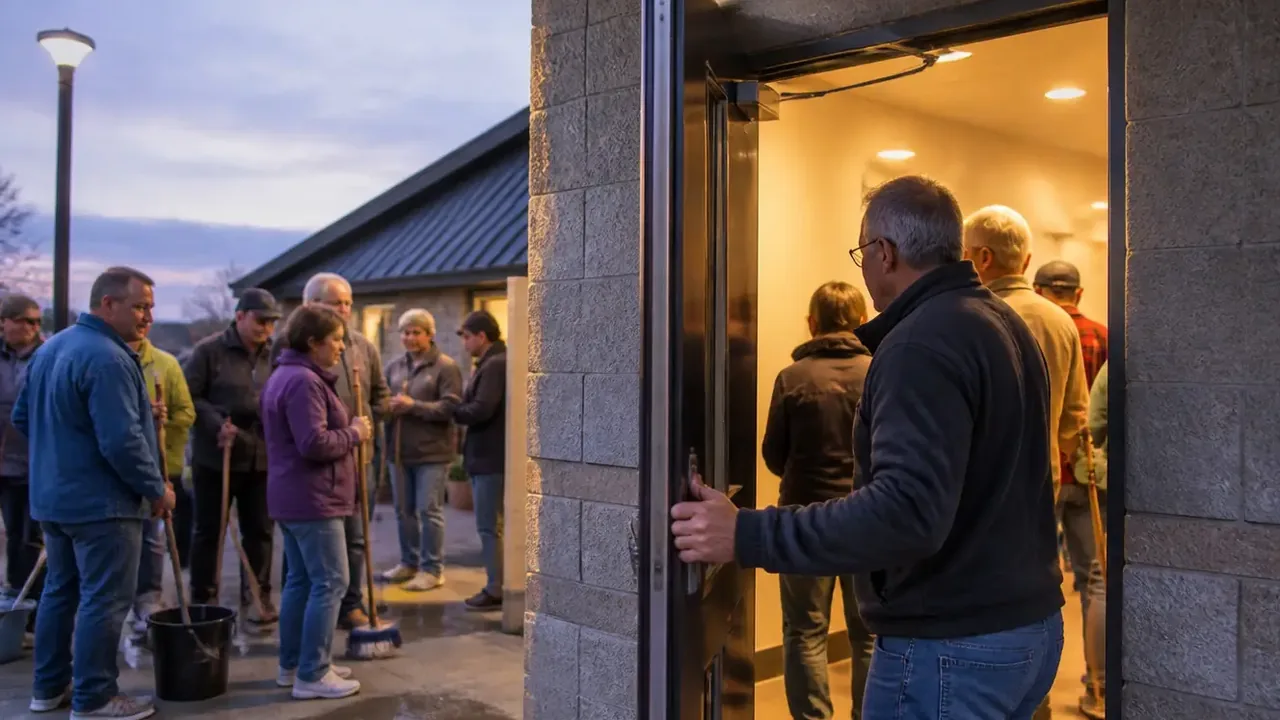
Start with the word itself. In most traditions, stewardship means managing what ultimately belongs to God: not only money, but time, ability, relationships, and the building your congregation holds in trust. When generosity is framed only as covering the church budget, a rich theme shrinks into a fundraising ask, and congregations can feel the difference. When it is taught as a whole-life response of gratitude, giving becomes worship rather than obligation.
We say this first because it changes everything downstream. A congregation that has been formed in gratitude does not need to be pressured in October. The money follows the discipleship, not the other way around, and, not incidentally, the same formation is what carries a congregation through caring for its building, which is stewardship in its most visible, leaky-roofed form.
Teach Generosity Across the Whole Calendar
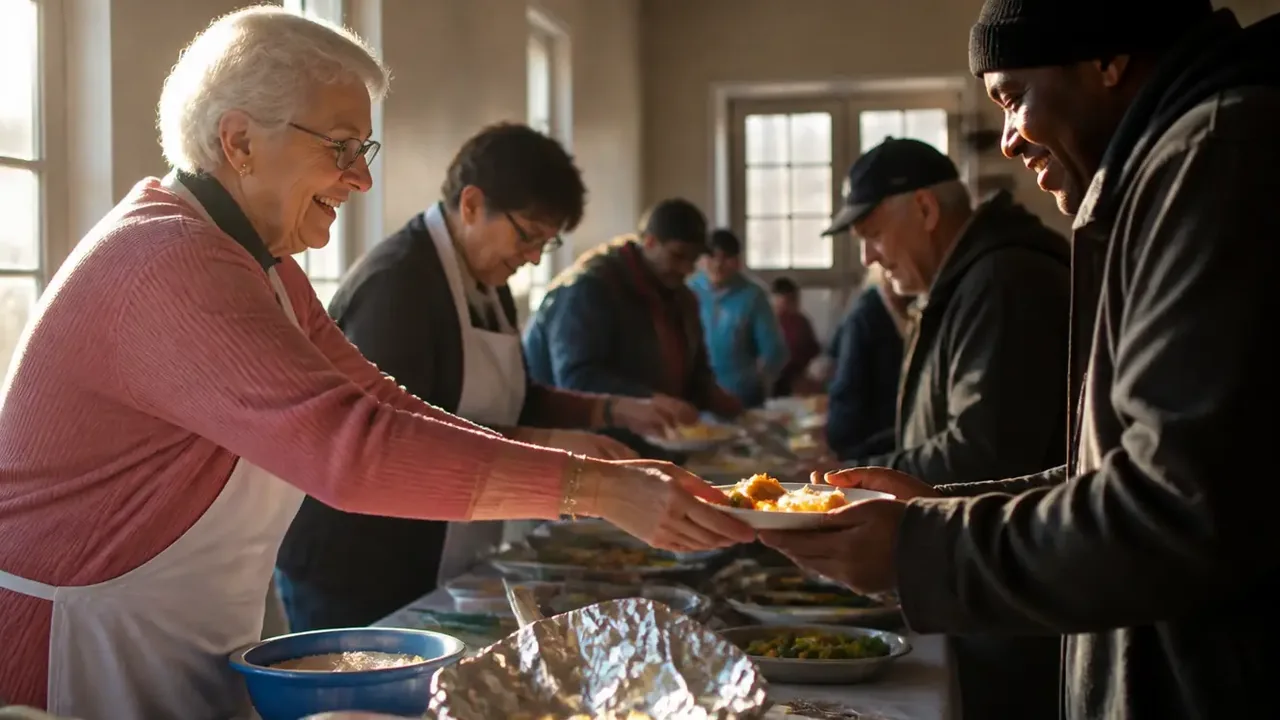
The single biggest shift most congregations can make is to stop treating giving as a once-a-year topic. Generosity is formed by steady teaching and testimony across the seasons:
- Preach and teach on money and possessions in their proper proportion. The Scriptures raise them often, and a congregation that never hears them mentioned is being taught by omission.
- Share stories of what giving accomplished, so members see their gifts as participation in ministry rather than payment of a bill.
- Teach new members to give from the beginning, as an ordinary part of belonging, in whatever form your tradition uses.
- Be transparent enough, consistently enough, that trust never depends on one annual disclosure.
None of this requires a program or a consultant. It requires a calendar and the willingness to speak about money in the same warm, unembarrassed voice the congregation uses for everything else it cares about.
The Annual Emphasis, Run Hopefully

Most congregations still benefit from one focused season, often in the fall, that invites the whole church to commit to giving for the coming year. Traditions differ on the form: some teach the tithe and take a weekly offering, others use an annual pledge or estimate of giving, and Catholic and Orthodox parishes often frame the offering within the liturgy and a broader stewardship-of-life theology. Use your own tradition's vocabulary and your denomination's materials where they exist; importing another tradition's culture wholesale rarely lands well.
Whatever the form, the well-run versions share a shape:
- A clear theme and a defined stretch of weeks, announced in advance
- Teaching on generosity and mission, not on the deficit
- Testimonies from members across ages and circumstances
- A plain picture of what giving accomplishes, tied to visible ministry rather than line items
- An invitation to commit, in your tradition's manner
- A grateful follow-up that reports the result and honors the response
The tone is the whole game. A campaign built on fear of a shortfall teaches scarcity. One built on gratitude teaches generosity. Your congregation will learn whichever lesson you teach, and it will remember the lesson far longer than the number.
Trust Is the Engine
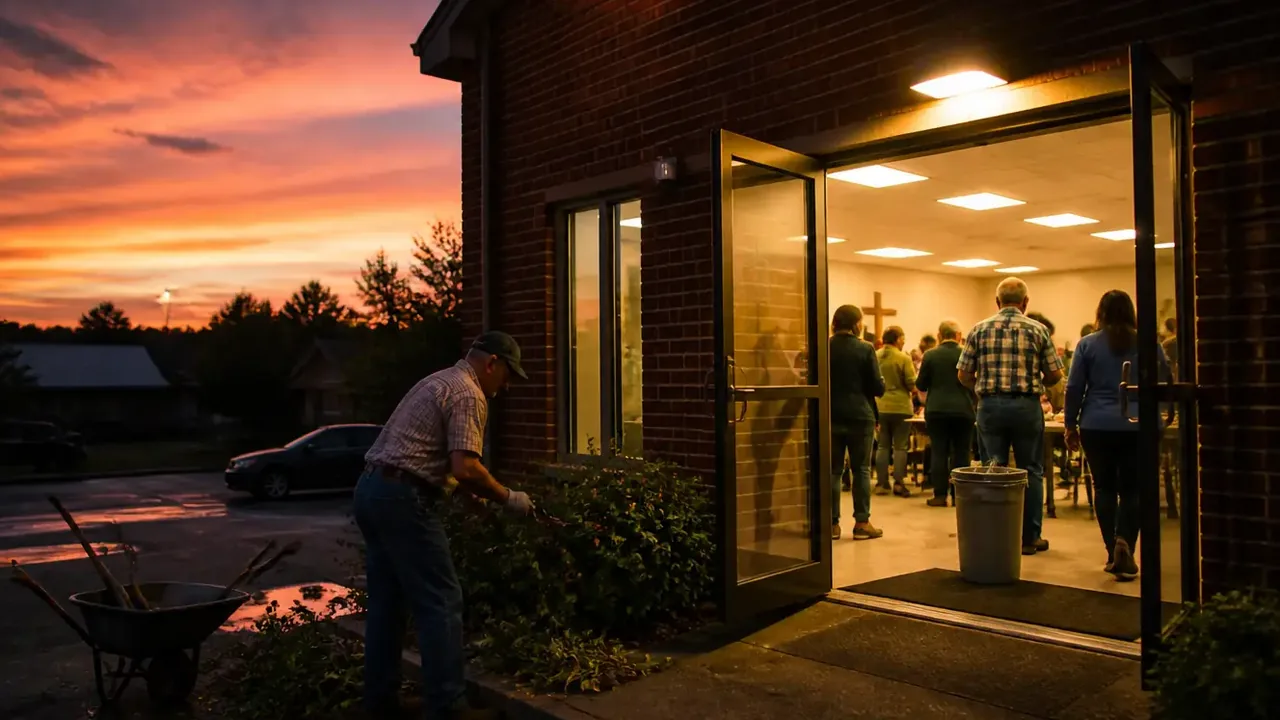
People give generously to institutions they trust, and nothing suppresses giving faster than the suspicion, even the unfounded suspicion, that money is handled carelessly or privately. The remedies are old, boring, and completely effective:
- A budget approved by your governing body, whatever your polity calls it
- Regular, plain-language reporting to the congregation, not just to the board
- Separation of duties, so that no one person ever controls the money alone
- Books reviewed or audited on a rhythm that fits your size and tradition
We would add one more: report on the building honestly. A congregation that can see its leaders budgeting for the roof and the furnace year after year learns that money given here is money cared for, and that credibility is exactly what a board draws on when a renovation eventually needs funding. Financial integrity is not merely prudent. It is a witness, practiced in public, fifty-two weeks a year.
A Sample Stewardship Calendar
Because generosity is formed year-round, it helps to plan it into the calendar rather than reinventing it each fall. A simple annual rhythm:
- Winter. Send giving statements promptly and thank the congregation warmly, reporting what its generosity accomplished, including the unglamorous accomplishments, like a furnace serviced on schedule.
- Spring. Teach briefly on money and contentment, and fold giving into how new members are welcomed.
- Summer. Share two or three testimonies of generosity and its fruit, keeping the theme alive in the quiet season.
- Fall. Run the focused emphasis and the invitation to commit.
- Throughout. Publish clear, regular financial updates, so no single meeting ever carries the whole weight of trust.
A calendar like this also protects the pastor from the awkward fate of only ever mentioning money when the budget is short, which teaches the congregation precisely the wrong lesson about both money and the pastor.
The Mistakes Worth Naming
Most stewardship trouble comes from a short list of habits, all of them curable:
- Silence. Never teaching on money, then hoping people will give anyway.
- The annual guilt trip. Appealing only from fear of a deficit, so giving becomes rescue rather than worship.
- Vague asks. Requesting money without connecting it to anything a member can picture.
- Leaning on the few. Letting a handful of households quietly carry the budget while never inviting broad participation: a fragile arrangement that one funeral or one moving van can expose.
- No follow-through. Failing to report results, which starves the next season of the trust this one earned.
- Copying another church. Importing a program from a very different tradition or size of congregation without adapting it to your own people.
If your congregation is small and the load falls on a faithful few, the habits above matter even more, and the companion guide to fundraising in a small church speaks to right-sizing the asks so nobody burns out.
Stewardship and the Bigger Decisions
Everyday stewardship is also the foundation under the larger financial moments every congregation eventually faces: the roof at the end of its life, the accessibility project the building has needed for a decade, the renovation that finally cannot wait. When that day comes, a congregation's capacity to respond depends almost entirely on the generosity habits formed in ordinary time, and on the trust built by years of honest reporting.
That is the quiet promise of this whole approach. Teach generosity well now, in the unremarkable months, and when the extraordinary need arrives, your board will not be starting a conversation about money. It will be continuing one, with a congregation that has learned, season by season, that giving here is safe, seen, and put to work.